Distribution charge analysis for 1 April 2026 to 31 March 2027
Every electricity customer in Great Britain pays Distribution Use of System (DUoS) charges to the local distribution network operator (DNO). For most customers those charges are set by time of day, in red, amber and green bands, and the red band is priced far above the rest. Network Map’s new Network Tariff Library holds the final 2026/27 charging schedules of all 14 DNO licence areas. These ten charts show when each band applies, what the red band costs domestic and non-domestic customers, the fixed and capacity charges larger sites pay, and why moving load out of the red band pays.
All prices are in pounds sterling or pence and exclude VAT. They are DUoS charges only, taken from each DNO’s Final 2026/27 schedule of charges (Annex 1, LV and HV charges), effective 1 April 2026 to 31 March 2027. They do not include transmission (TNUoS), balancing (BSUoS), energy or supplier costs, so a customer’s actual unit rate is higher. Domestic figures use the Domestic Aggregated or CT with Residual tariff. Non-domestic figures use the Non-Domestic Aggregated or CT No Residual tariff unless a residual charging band is named.
Chart 1: Red Bands Sit Between 16:00 And 19:30 On Weekdays
Every DNO puts its red band in the weekday evening peak, but the exact hours differ. Six licence areas use 16:00 to 19:00: UK Power Networks Eastern and South Eastern, SSEN North of Scotland, Electricity North West, and NGED West Midlands and East Midlands. Northern Powergrid uses 16:00 to 19:30 in both its areas. SSEN Southern, SP Distribution and SP Manweb use 16:30 to 19:30. National Grid Electricity Distribution’s South Wales area uses 17:00 to 19:30 and its South West area 17:00 to 19:00.
UK Power Networks’ London area is the only one with two red bands a day: 11:00 to 14:00 and 16:00 to 19:00. The amber band fills most of the working day around the red band, from as early as 07:00 to as late as 23:00, and green covers the night. For a site that wants to avoid the red band, the window to plan around is three hours on most networks and two hours in the NGED South West area.
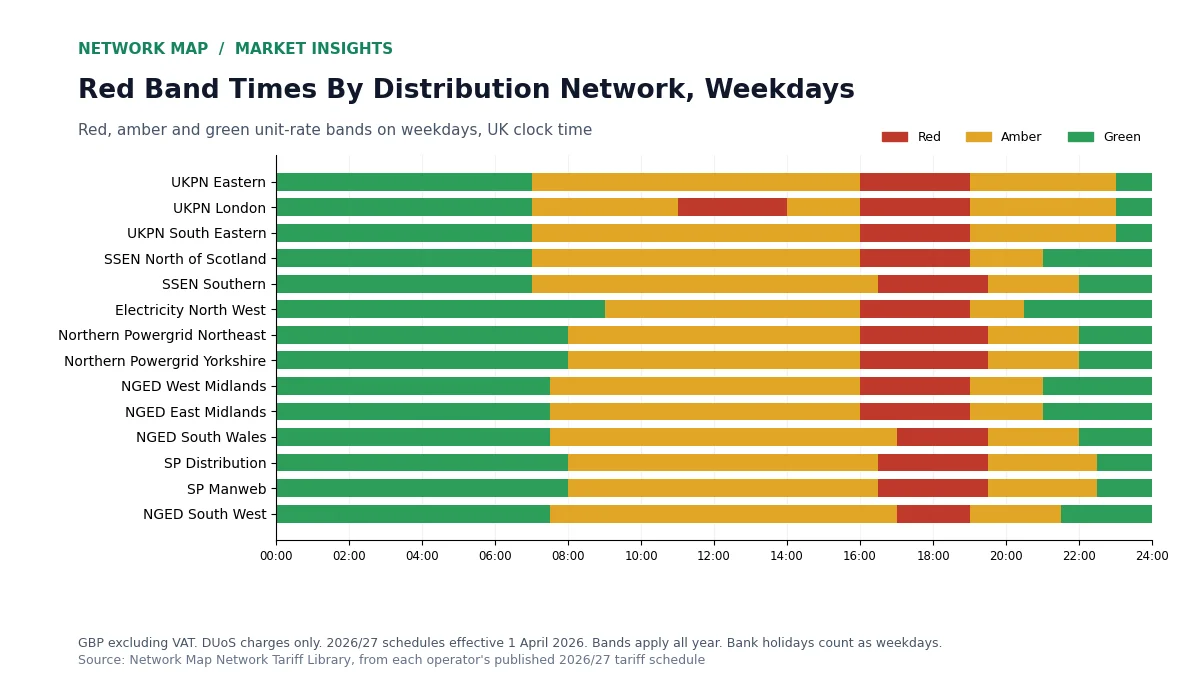
Chart 2: Half The Networks Keep An Amber Band At Weekends
No network has a red band at weekends. 7 of the 14 licence areas have an amber band on Saturdays and Sundays: SSEN North of Scotland, SSEN Southern, Electricity North West, NGED South Wales, SP Distribution, SP Manweb and NGED South West. SSEN Southern’s weekend amber is the longest, 09:30 to 21:30. SSEN North of Scotland’s runs 12:00 to 20:00, and SP Distribution and SP Manweb’s 16:00 to 20:00. NGED South Wales has two short weekend amber periods, 12:00 to 13:00 and 16:00 to 21:00.
The other 7 areas, UK Power Networks’ three licences, Northern Powergrid’s two and NGED’s West and East Midlands, charge green all weekend. In those areas weekend use pays the lowest DUoS rate at every hour.
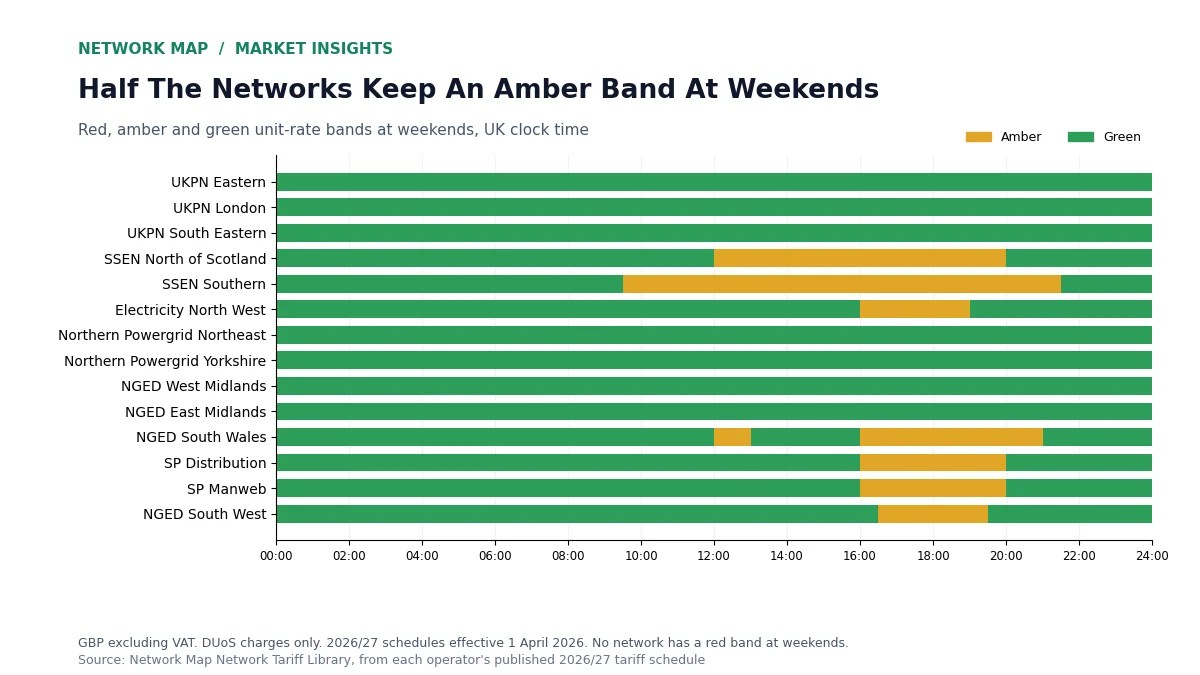
Chart 3: Domestic Red-Band Rates Run From 6.8p To 22.8p Per kWh
For domestic customers the red-band DUoS rate is highest in the NGED South West area at 22.754p per kWh. UK Power Networks’ South Eastern area follows at 21.230p, NGED South Wales at 18.538p and Electricity North West at 16.206p. The lowest is Northern Powergrid Yorkshire at 6.786p, a third of the South West rate.
The amber and green rates are much smaller. Domestic amber rates run from 0.489p in London to 3.993p in the North of Scotland. Green rates run from zero in London to 0.857p in the North of Scotland. The domestic fixed charge is shown in Chart 7.
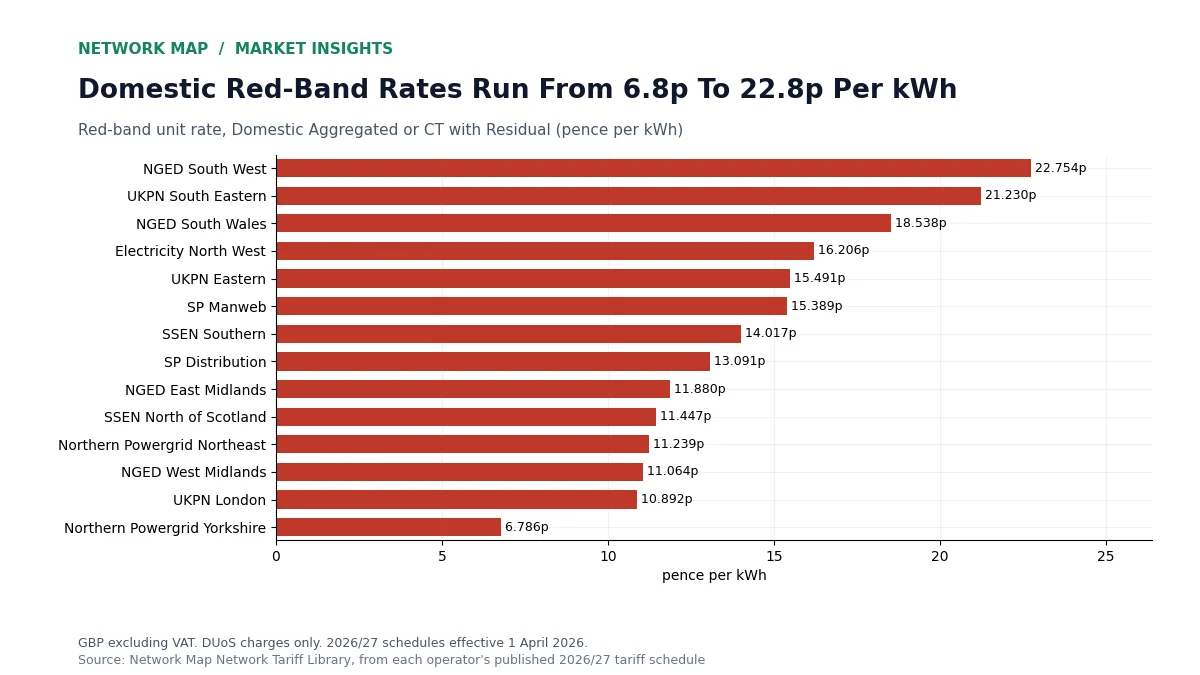
Chart 4: Non-Domestic Red-Band Rates Run From 8.2p To 24.2p Per kWh
For non-domestic customers on the aggregated or current-transformer metered tariff, NGED South West again has the highest red rate at 24.204p per kWh. NGED South Wales charges 20.286p, SP Manweb 16.455p, UK Power Networks South Eastern 15.864p and Electricity North West 15.538p.
The lowest non-domestic red rates are in Northern Powergrid Yorkshire at 8.165p, London at 9.881p and NGED West Midlands at 10.325p. On ten of the fourteen networks the non-domestic red rate is above 12p per kWh, before any transmission, energy or supplier cost is added.
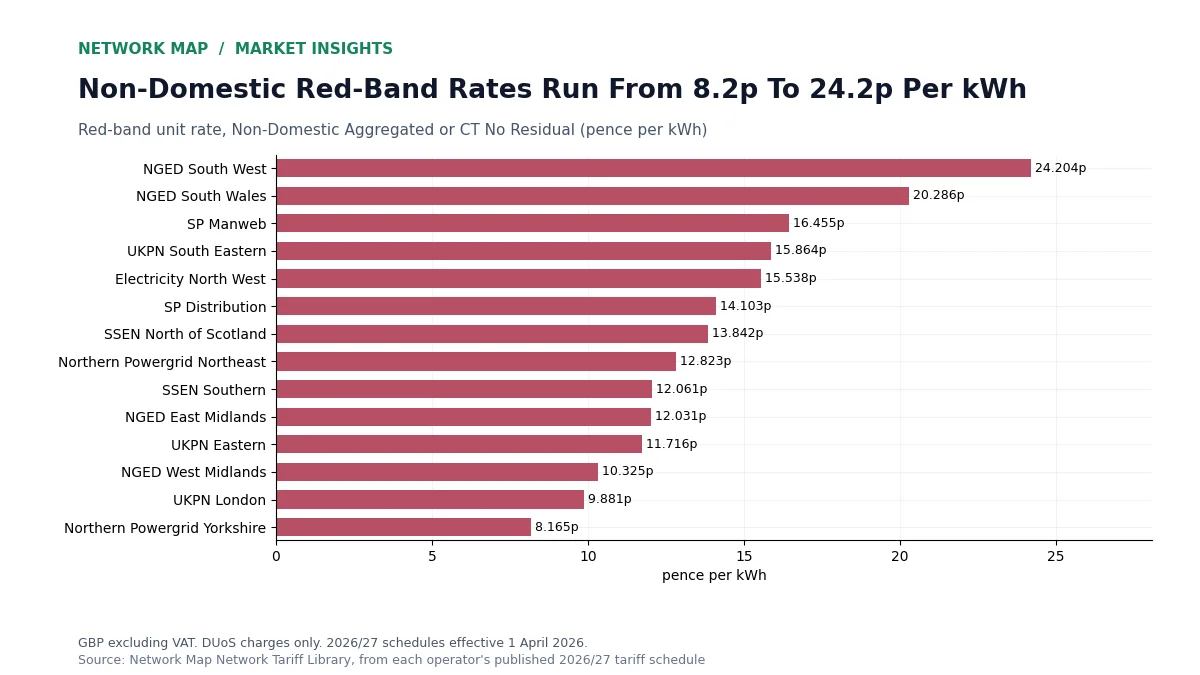
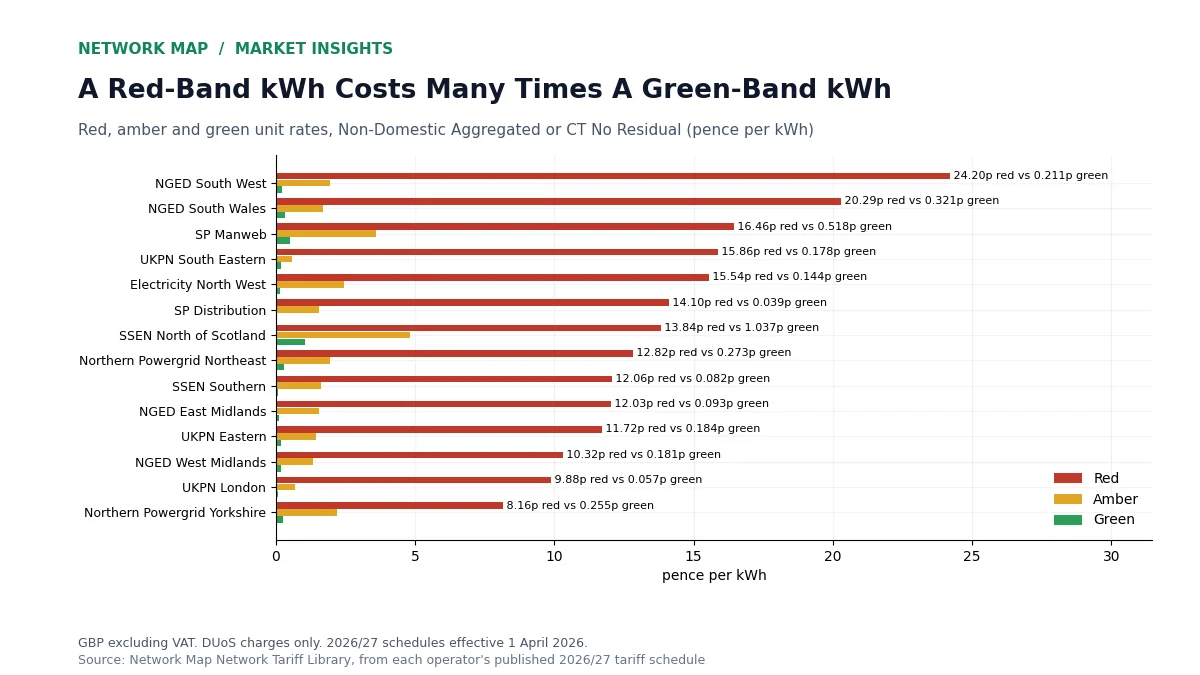
Chart 5: A Red-Band kWh Costs Many Times A Green-Band kWh
The three bands are not small steps. On SP Distribution’s non-domestic tariff the red rate is 14.103p and the green rate 0.039p, so a red kWh costs 362 times a green one. In SSEN Southern the ratio is 147 to one and in NGED South West 115 to one.
The smallest ratio is in SSEN North of Scotland, where the green rate of 1.037p is the highest in Great Britain and red is 13 times green. Amber is also far below red. The amber rate is at most 35% of the red rate (SSEN North of Scotland), and under 14% on 9 of the 14 networks. For DUoS, the cost of a kWh depends much more on when it is used than on how much is used.
See Distribution Charges On The Map
Chart 6: Moving A kWh From Red To Green Saves Up To 24p
The difference between the red and green rate is the DUoS saving for each kWh moved out of the red band and into the night or the weekend. For non-domestic customers it is largest in NGED South West at 23.99p per kWh and NGED South Wales at 19.97p. For domestic customers it is largest in NGED South West at 22.56p and UK Power Networks South Eastern at 20.99p.
A non-domestic site in the South West that moves 50 kWh a weekday out of the red band saves about £12.00 a weekday in DUoS alone. Even in Northern Powergrid Yorkshire, where the gap is smallest, it is 7.91p per kWh. Batteries charged overnight, heat pumps with thermal storage, EV charging after 19:30 and scheduled process loads all move energy this way. Moving load only from red into amber still saves most of the gap, because amber rates are low.
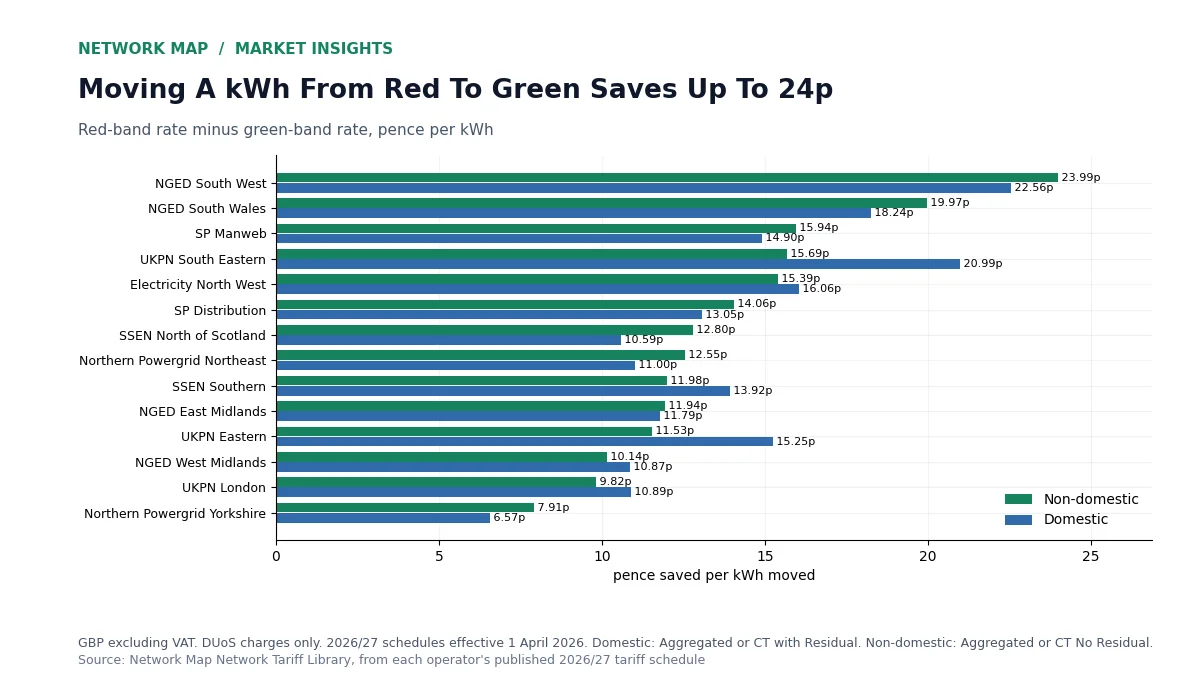
Chart 7: Domestic And Small Business Fixed Charges By Network
The fixed charge, in pence per meter point (MPAN) per day, is small for domestic and small non-domestic customers. SP Manweb has the highest at 23.50p a day for domestic and 26.74p for Non-Domestic Band 1. Northern Powergrid charges 18.03p domestic in Yorkshire and 17.97p in the Northeast.
UK Power Networks’ London area publishes a zero fixed charge on both tariffs, and Electricity North West a zero on Non-Domestic Band 1 with 2.88p for domestic. Fixed charges rise with the residual charging band: on Non-Domestic Band 4, SP Manweb charges 270.24p a day and SP Distribution 168.99p.
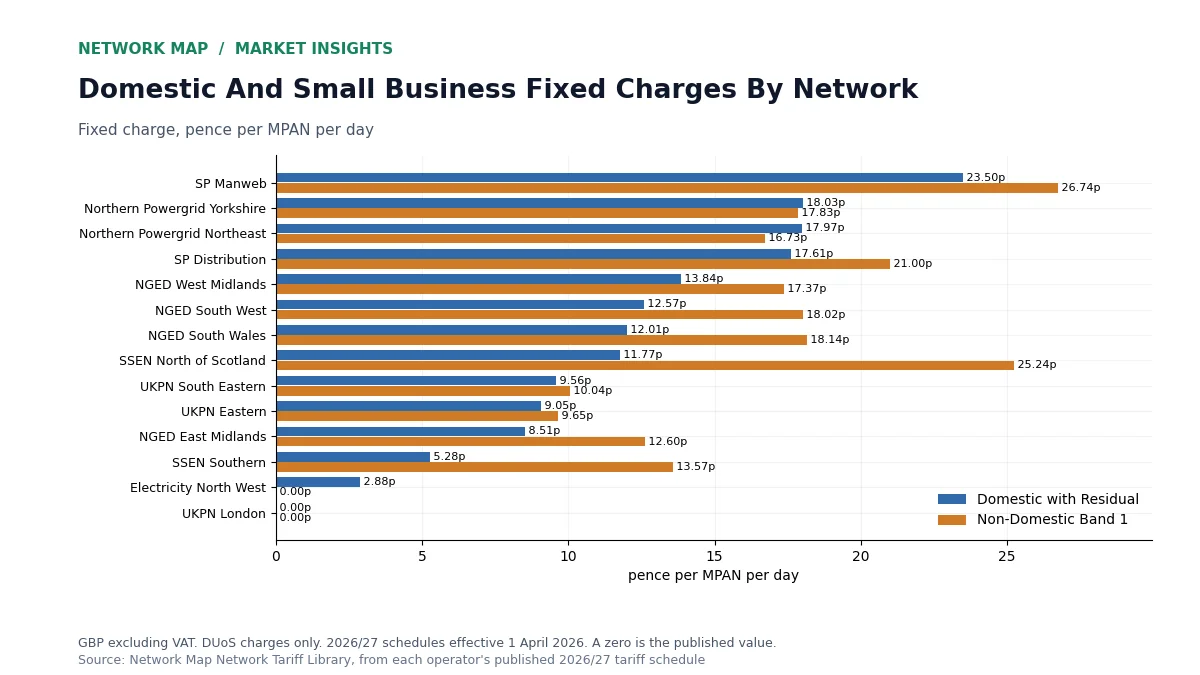
Chart 8: HV Band 4 Fixed Charges Reach £338 A Day
For large sites the fixed charge depends on the residual charging band, set by the site’s size. On HV Site Specific Band 4, the largest band, SP Manweb charges £338.25 a day and SP Distribution £277.40. Northern Powergrid Yorkshire charges £128.21 and NGED West Midlands £98.23.
Four licence areas publish zero for HV Band 4: UK Power Networks London, both SSEN licences and Electricity North West. On HV Band 1, SP Manweb charges £28.90 a day, and on LV Site Specific Band 4 £35.92. The residual band thresholds are set by each DNO in its schedule, so a site near a band boundary should check which band applies.
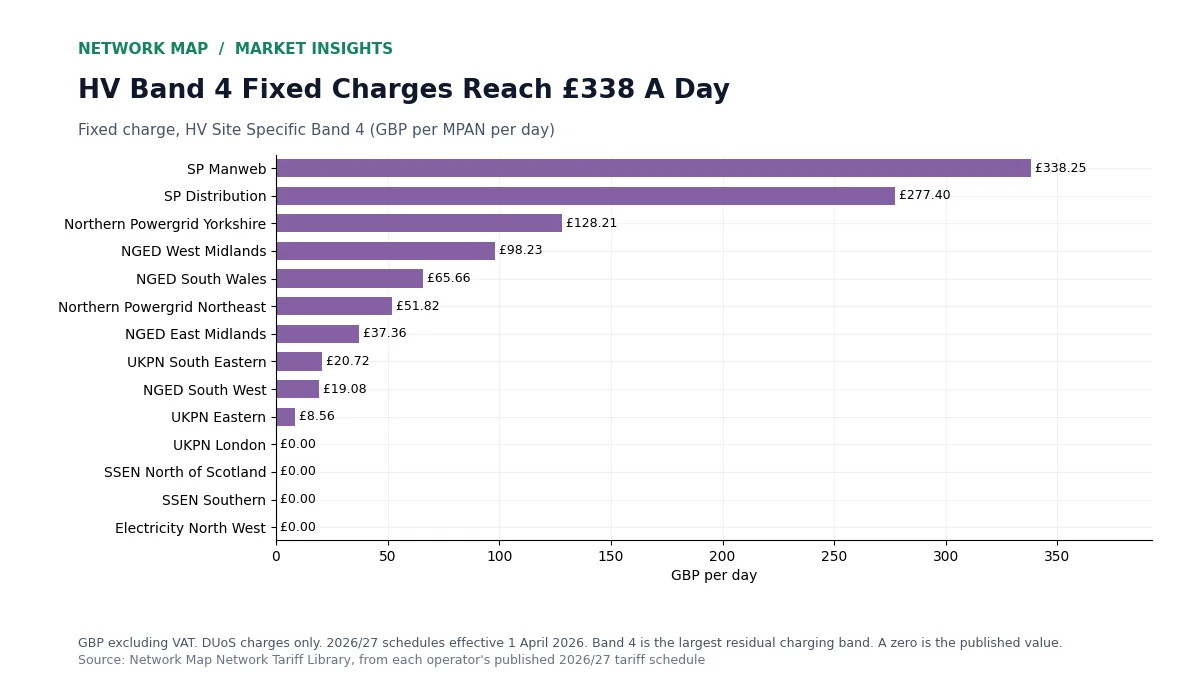
Chart 9: Capacity Charges Run From 3.78p To 20.10p Per kVA Per Day
Site-specific customers also pay for their agreed import capacity, in pence per kVA per day. SSEN North of Scotland has the highest at 20.10p for HV and 13.83p for LV. NGED South West charges 12.18p on LV, and NGED West Midlands 10.66p. Northern Powergrid Yorkshire is lowest at 3.82p LV and 3.78p HV.
The same rate applies to any exceeded capacity, so drawing above the agreed level is charged as well. On a 1,000 kVA LV agreement in the North of Scotland the capacity charge is about £138.30 a day, against £38.20 in Yorkshire. Reviewing the agreed capacity after a battery, solar or efficiency project can cut this cost.
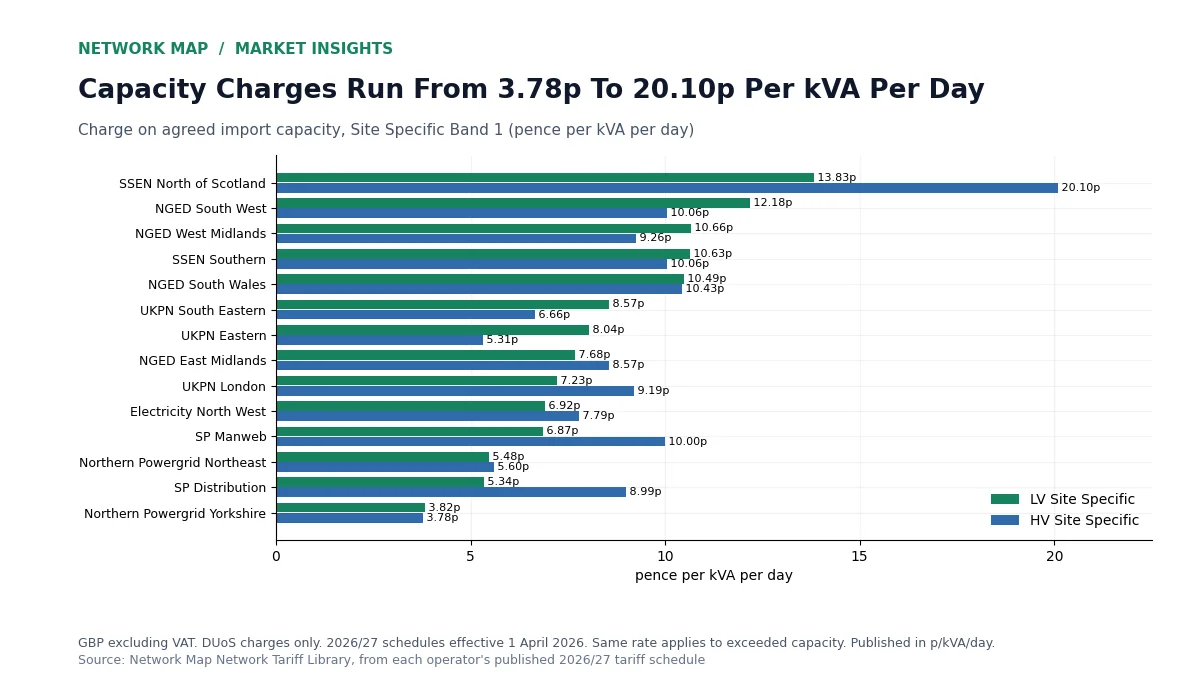
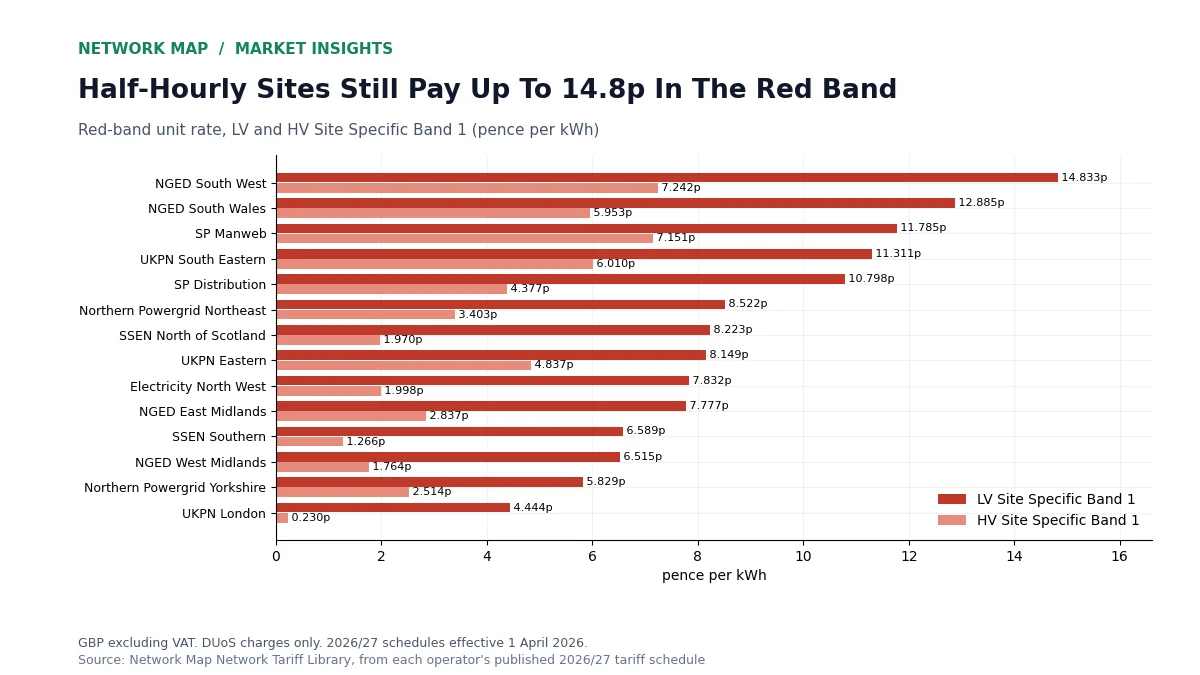
Chart 10: Half-Hourly Sites Still Pay Up To 14.8p In The Red Band
Large site-specific customers pay lower unit rates than aggregated customers, but the red band still dominates. On LV Site Specific Band 1, NGED South West charges 14.833p per kWh in the red band, NGED South Wales 12.885p and SP Manweb 11.785p. On HV the highest red rates are NGED South West at 7.242p and SP Manweb at 7.151p.
Green rates for these sites are tiny: NGED South West charges 0.114p on LV and 0.028p on HV. Electricity North West, SSEN Southern and UK Power Networks London publish a zero HV green rate. For a large site, red-band unit charges and capacity charges are the two DUoS costs worth managing.
What It All Means
- The red band is short and expensive. Outside London it lasts two to three and a half hours on weekdays, and its rate is many times the green rate on every network.
- Moving load out of red pays everywhere. The DUoS saving is 7.91p to 23.99p per non-domestic kWh, before other time-varying costs.
- Location matters. Red-band rates in the South West and South Wales are about three times those in Yorkshire.
- Check the weekend. Seven licence areas keep an amber band at weekends.
- Large sites should review capacity and band. Agreed capacity and the residual charging band set fixed costs that do not change with energy use.
Model It In Network Map
The Network Tariff Library holds every GB DNO’s final 2026/27 DUoS charges, with the source schedule and tariff year for each licence area. Project Modelling can now load network tariffs, so you can apply the right red, amber and green bands to a solar, battery or load project, test moving load out of the red band, and compare sites across licence areas.
Sign Up To Model Network Tariffs
Every figure in this article comes from the Network Map Network Tariff Library, which records each DNO’s published Final 2026/27 schedule of charges, effective 1 April 2026. Prices exclude VAT and are DUoS charges only. Capacity charges are shown in the published pence per kVA per day; no published rate has been estimated or adjusted.
Sources
Each DNO’s Final 2026/27 schedule of charges and other tables:
- Eastern Power Networks
- Electricity North West
- London Power Networks
- National Grid Electricity Distribution
- National Grid Electricity Distribution
- National Grid Electricity Distribution
- National Grid Electricity Distribution
- Northern Powergrid
- Northern Powergrid
- SP Distribution
- SP Manweb
- Scottish Hydro Electric Power Distribution
- South Eastern Power Networks
- Southern Electric Power Distribution