Network tariff analysis for 1 April 2026 to 31 March 2027
Every business in New Zealand pays a lines company to deliver its electricity. The price is set by the local electricity distribution business, and it differs a lot from one region to the next. Network Map has added the 2026/27 delivery price schedules of 28 lines companies to its new Network Tariff Library. Each one comes straight from the operator’s published schedule. These ten charts compare fixed daily charges, peak and off-peak rates, and capacity and demand charges for small and large business, and they show how far apart the cheapest and dearest networks are.
All prices in this article are in New Zealand dollars and exclude GST. They are the 2026/27 delivery prices that took effect on 1 April 2026. Each figure is the published price on the operator’s schedule, with no adjustment.
Chart 1: Small Business Fixed Charges Range From 2 Cents To $28 A Day
The fixed daily charge is the part of the bill a business pays whether it uses any energy or not. For the smallest business connections it is low on most networks: 23 of the 26 lines companies that publish a small business daily charge start below $4 a day. Aurora Energy’s Queenstown 15 kVA general connection has the lowest at $0.0227 a day, because Aurora recovers most of its revenue through per-kVA capacity and demand prices instead. Network Tasman starts at $1.395, Wellington Electricity at $1.515 and Westpower at $1.6078.
The fixed charge climbs quickly as connection size rises. Horizon Networks’ rural 71 to 100 kVA group (N4R) pays $28.48 a day, Marlborough Lines’ 46 to 70 kVA time-of-use tariff pays $21.26 and Network Waitaki’s 51 to 100 kVA general tariff pays $21.25. Powerco has the highest starting point, $8.98 a day for a three-phase 64 to 250 A connection in its Western Zone A. OtagoNet and Scanpower charge their small business customers per kVA of capacity, so they do not appear on this chart.
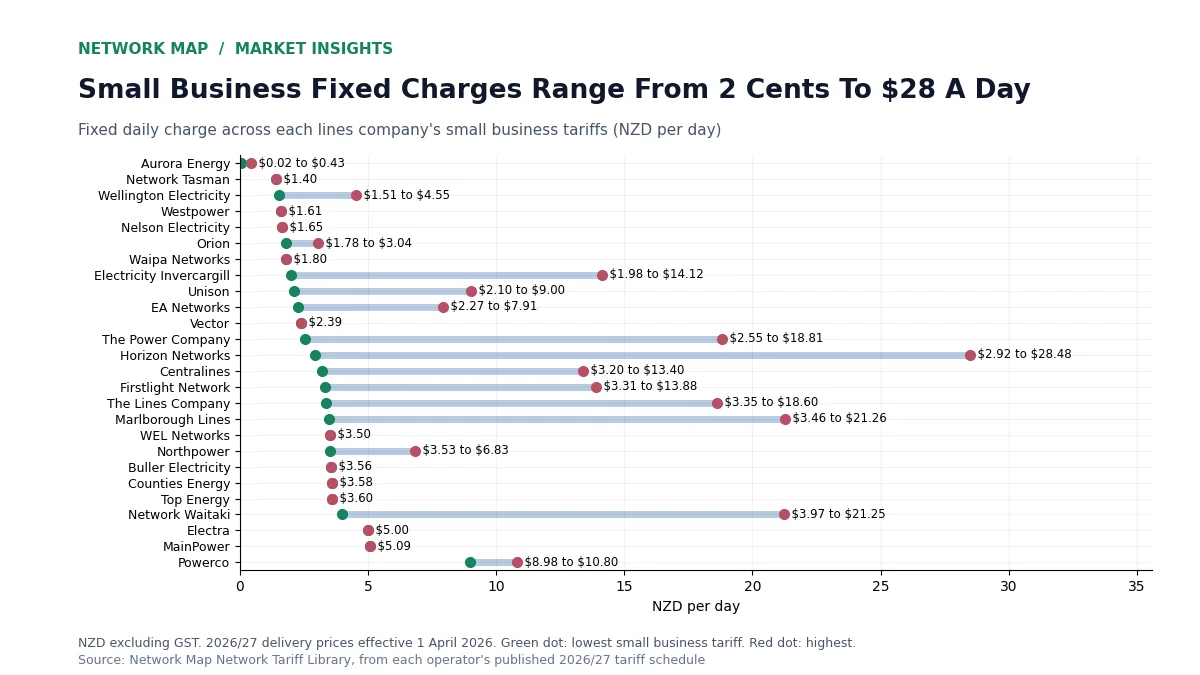
Chart 2: Large Business Fixed Charges Climb Past $290 A Day
For large business the fixed charge is often tied to the size of the connection. Firstlight Network, formerly Eastland Network, charges $291.74 a day for a commercial connection under 6,500 kVA (COM6500). Network Waitaki charges $164.27 for 501 to 750 kVA, Unison $125.00 for its Rotorua and Taupo 866 to 1,039 kVA band, and Wellington Electricity $82.15 for a low voltage site of 300 to 1,500 kVA.
Other networks keep the large business fixed charge low and recover cost through capacity and demand prices instead. Nelson Electricity charges $2.40 a day for its large commercial tariff, Network Tasman $6.426, Northpower $6.8278 and WEL Networks $8.6216. Wellington Electricity’s transformer connection above 1,500 kVA has a fixed charge of only $0.045 a day, with its cost carried by capacity and on-peak demand charges. A low fixed charge does not mean a cheap tariff, so the fixed charge has to be read together with the charts that follow.
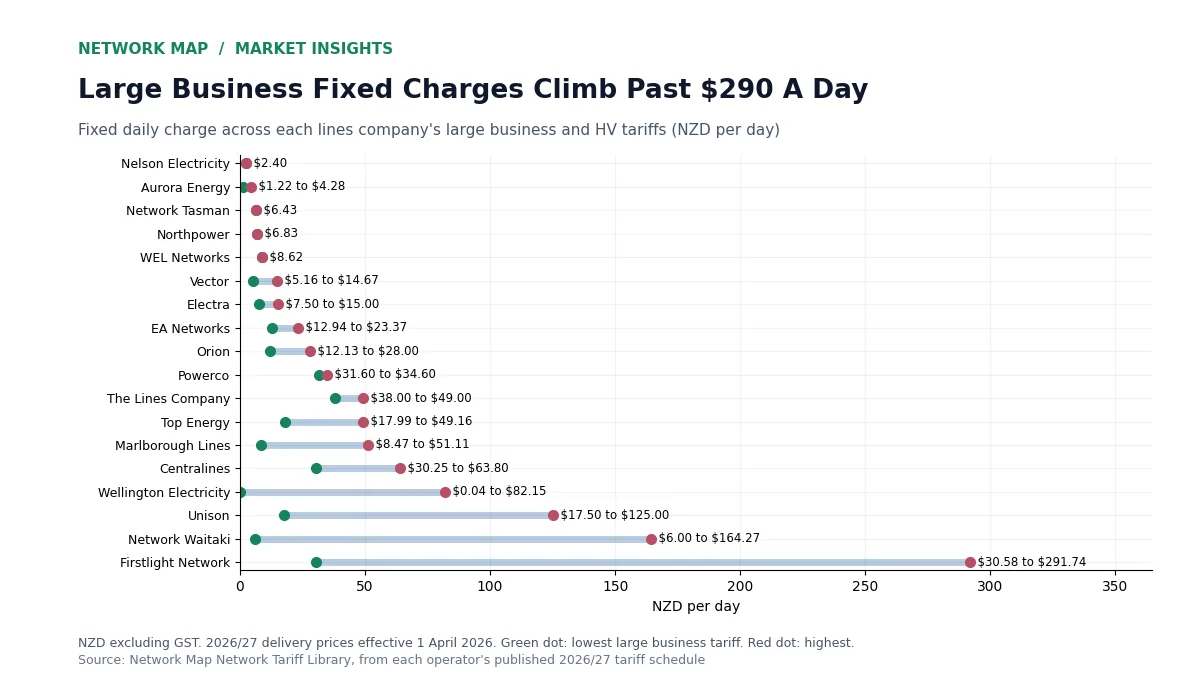
Chart 3: Small Business Peak Rates Run From 3.6 To 30.5 Cents
24 lines companies publish a small business tariff with more than one energy rate. The highest rate on each one varies more than eightfold. Centralines’ general time-of-use tariff (GENTOU) charges 30.51 cents per kWh in its peak and nothing at all off-peak. Counties Energy charges 21.50 cents peak against 6.50 cents off-peak, and Top Energy 19.10 cents against 8.04 cents.
At the other end, Network Waitaki’s general tariff charges 3.573 cents by day and 0.397 cents at night, but carries a fixed charge of $3.973 a day. Nelson Electricity charges 4.49 cents peak and 1.67 cents off-peak. Powerco’s highest rate, 17.84 cents in Western Zone A, applies in the winter months from April to September, and Vector’s 10.47 cents peak applies from May to September. 5 networks set the off-peak rate to zero on this tariff: Centralines, Northpower, Orion, Marlborough Lines and Vector.
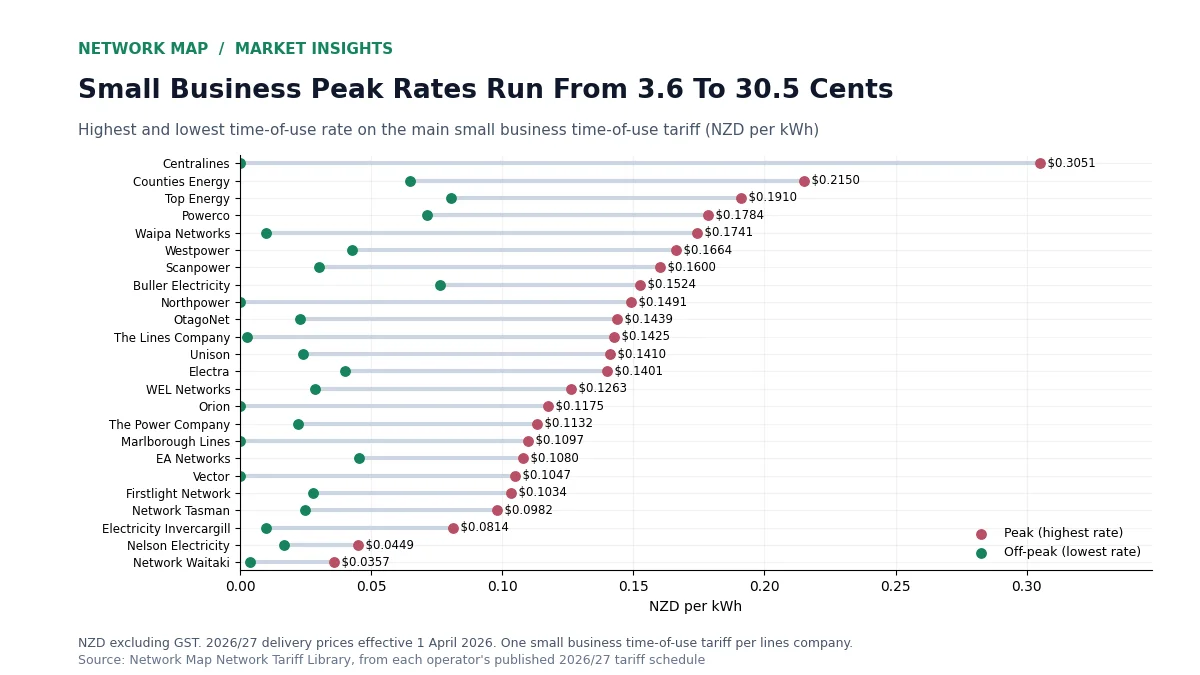
Chart 4: Shifting A kWh Out Of Peak Is Worth Up To 30.5 Cents
The gap between the peak and off-peak rate is what a business saves on delivery for each kWh it moves out of the peak. On Centralines that gap is 30.51 cents. Waipa Networks follows at 16.41 cents, Counties Energy at 15.00 cents, Northpower at 14.91 cents and The Lines Company at 14.00 cents.
15 of the 24 networks have a gap of 10 cents or more. A business that moves 100 kWh a weekday from the peak into the off-peak on one of those networks saves at least $10 a weekday on delivery alone, before any change in the energy retailer’s own price. Batteries, controlled water heating, refrigeration pre-cooling and later EV charging are the usual ways to make that move. The gap is smallest on Network Waitaki (3.18 cents) and Nelson Electricity (2.82 cents), where the fixed charge does more of the work.
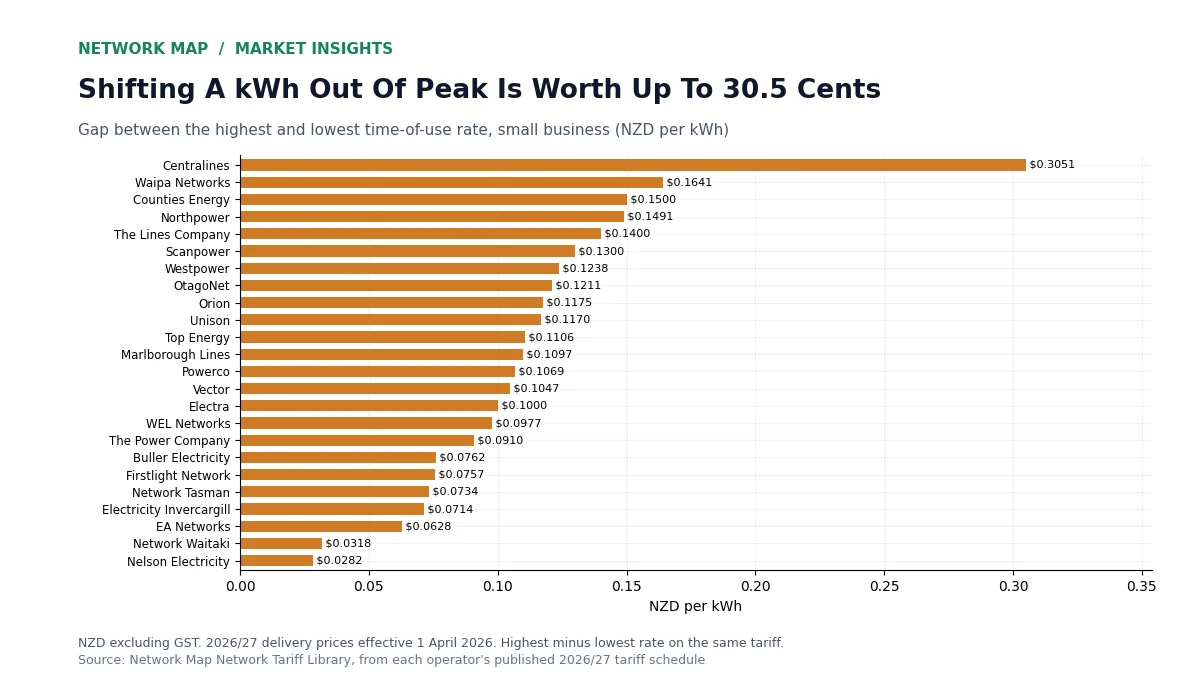
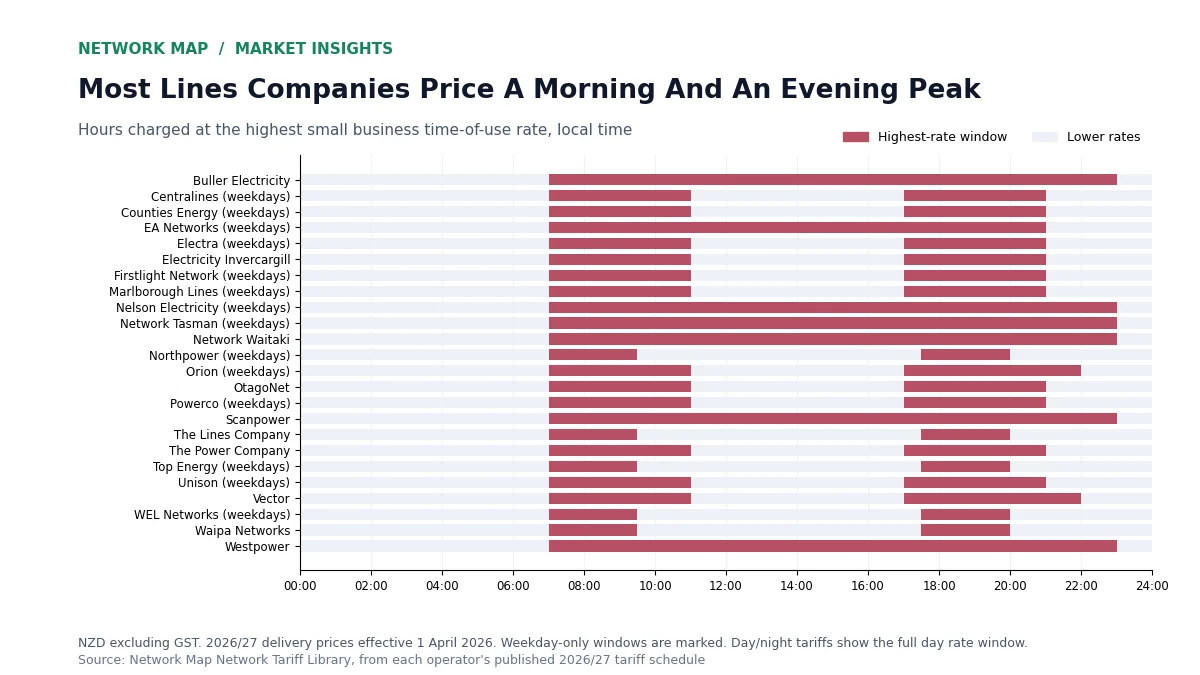
Chart 5: Most Lines Companies Price A Morning And An Evening Peak
Peak windows follow the national demand pattern: a morning ramp and an evening ramp. 10 networks use 07:00 to 11:00 and 17:00 to 21:00, including Centralines, Counties Energy, Powerco, Unison and Electra. 5 use a shorter 07:00 to 09:30 and 17:30 to 20:00 window: Top Energy, Waipa Networks, Northpower, The Lines Company and WEL Networks. Orion and Vector extend the evening peak to 22:00. Many networks apply the peak on weekdays only, which makes weekends off-peak or shoulder for the whole day.
6 networks price small business on a day and night basis, with the higher rate from 07:00 to 23:00: Westpower, Scanpower, Buller Electricity, Network Tasman, Nelson Electricity and Network Waitaki. EA Networks charges its day rate from 07:00 to 21:00 on weekdays. For load shifting this matters as much as the price: a short two-and-a-half-hour evening window is easy to avoid with a modest battery, while a 16-hour day rate rewards moving load into the night.
See Network Tariffs On The Map
Chart 6: Anytime Rates For Small Business Vary Almost Sevenfold
Not every small business has a smart meter on a time-of-use tariff. For anytime, or uncontrolled, tariffs the rate per kWh ranges from 2.28 cents on Vector’s Auckland small business anytime tariff to 15.63 cents on Westpower’s general tariff up to 15 kVA, 6.9 times as much. Top Energy charges 15.13 cents and Buller Electricity 13.85 cents.
The low anytime rates come with higher fixed charges or larger connection sizes. Wellington Electricity’s 3.27 cents applies to a 15 to 69 kVA connection with a $4.5457 daily charge. MainPower’s non-residential rate of 4.457 cents pairs with a $5.0934 daily charge. Comparing tariffs on the energy rate alone gives the wrong answer; the right comparison is the annual bill for a real load profile.
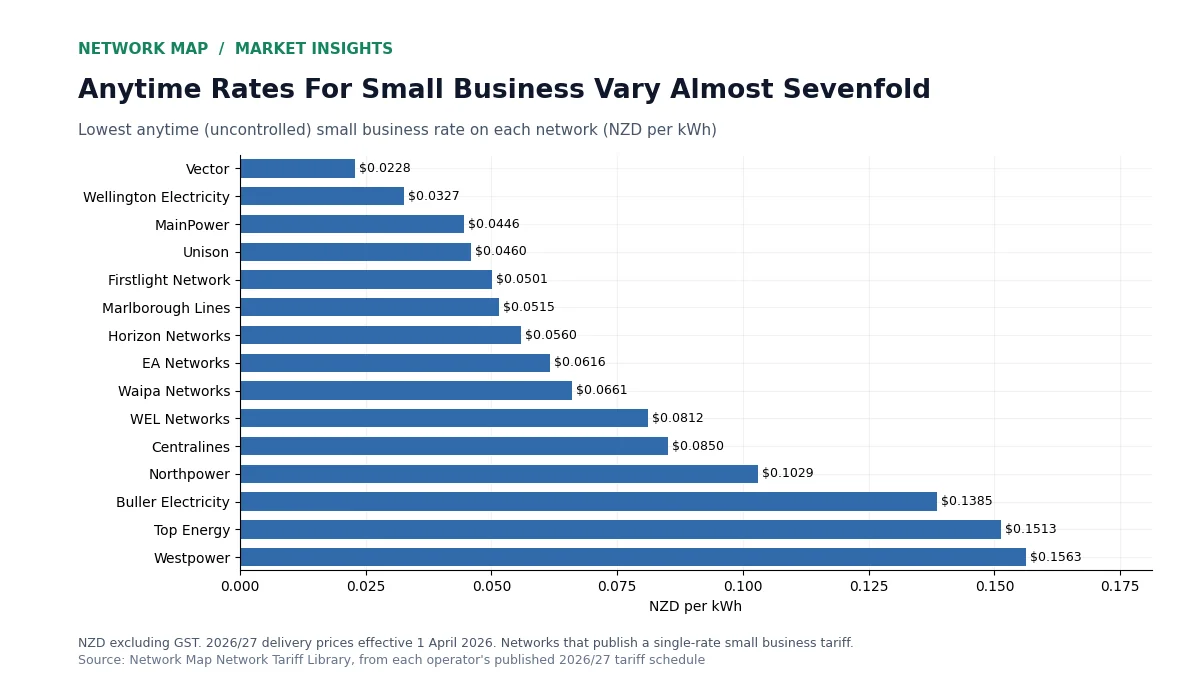
Chart 7: Capacity Charges Run From 5.5 To 67 Cents Per kVA Per Day
Many lines companies charge larger customers for the capacity of their connection, in dollars per kVA per day. The charge is paid every day on the agreed, nominated or installed kVA, so it rewards a business that sizes its connection to what it needs. Rates on business tariffs run from 5.51 cents per kVA per day on Network Tasman’s large commercial tariff to 67.00 cents on Scanpower’s industrial tariff.
Westpower charges up to 60.29 cents per kVA per day, Aurora Energy up to 45.83 cents, Marlborough Lines up to 43.56 cents and Northpower up to 38.02 cents. Vector’s commercial capacity price is 6.73 cents to 7.41 cents, and Powerco’s 6.00 cents to 10.00 cents. On a 500 kVA connection, the difference between 7 cents and 67 cents per kVA per day is $300 a day before a single kWh is used.
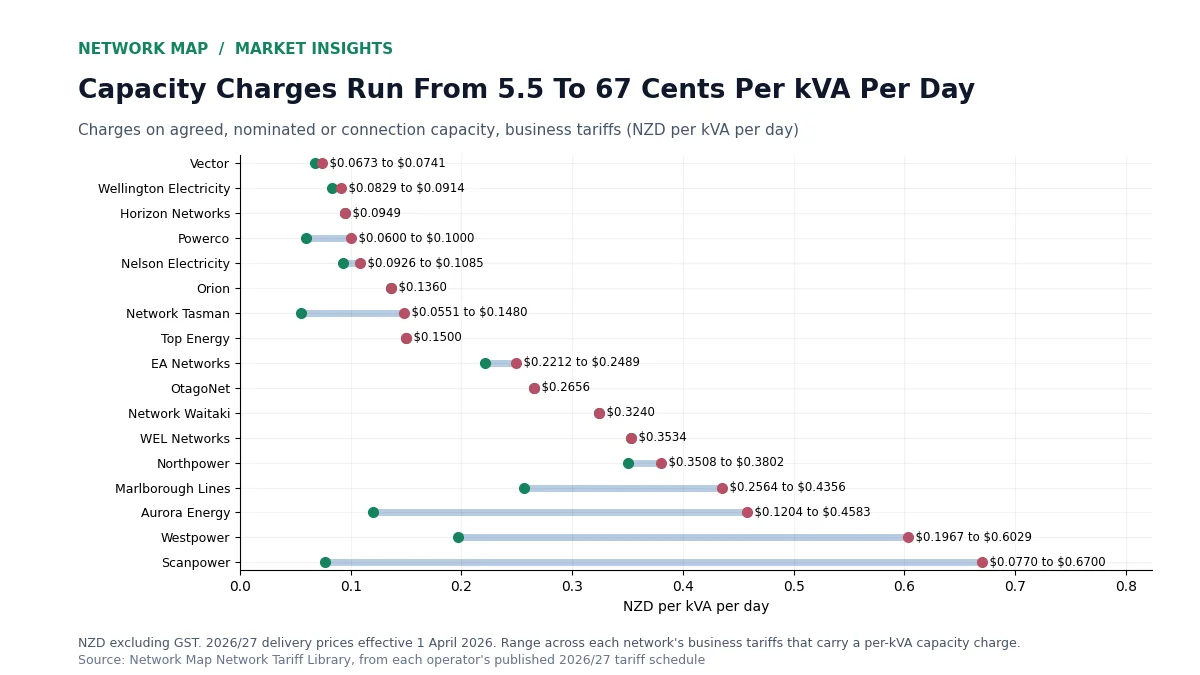
Chart 8: Winter Peak Demand Charges Reach $14.74 Per kVA A Month
Demand charges price the highest load a site draws in a period. 6 networks publish a monthly demand price for business. WEL Networks has the highest: $14.74 per kVA per month in winter on its large low voltage customer tariff, measured as the average of the six highest half-hours in the peak periods. Counties Energy charges $12.387 per kVA per month for major customers, measured as the average of the three highest daily demands between 07:00 and 23:00. Wellington Electricity charges $10.0735 per kW per month for on-peak demand on its largest transformer connections.
Waipa Networks charges $7.80 per kVA per month on its 11 kV contract tariff, a demand that ratchets up and does not fall for 12 months. Unison charges $6.75 per kW in winter in Hawke’s Bay, and Centralines $6.20 per kW for winter on-peak demand. Several other networks set a daily demand price; Aurora Energy, for example, charges up to $1.3214 per kW per day for control period demand on its cow-gen-250-499kVA tariff. Where the measurement is a few half-hours in a peak window, a battery that shaves those half-hours can cut the charge directly.
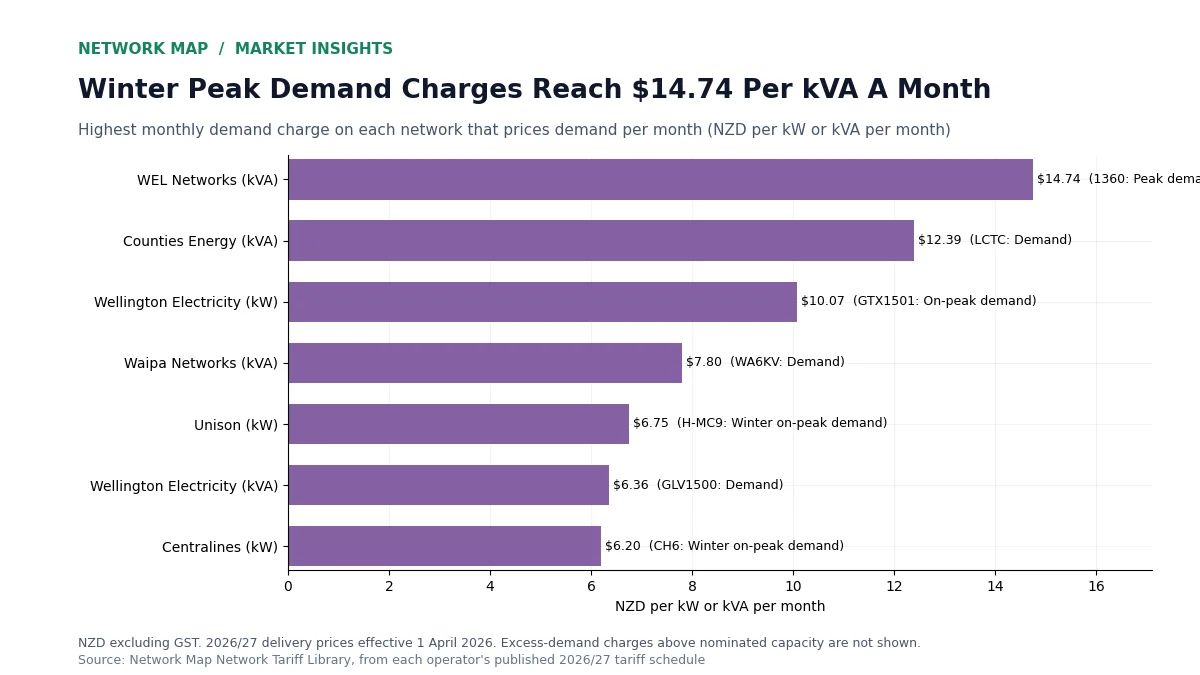
Chart 9: Large Business Peak Rates Range From 2 To 24 Cents
Large business energy rates are lower than small business rates on most networks, because more of the cost is recovered through capacity and demand. Northpower has the highest: its half-hourly LV volume tariff (LC1) charges 23.78 cents peak and 8.88 cents off-peak. Top Energy’s general advanced user tariff charges 17.05 cents peak, and Powerco’s Tauranga tariff for connections above 250 A charges 15.10 cents in winter peak.
At the low end, Nelson Electricity’s large commercial tariff charges 1.97 cents on winter days and 1.12 cents at other times, and Network Waitaki’s 101 to 200 kVA tariff 3.573 cents by day. Firstlight Network’s tariff for commercial sites under 300 kVA charges 5.85 cents from 17:00 to 21:00 and 1.78 cents at other times.
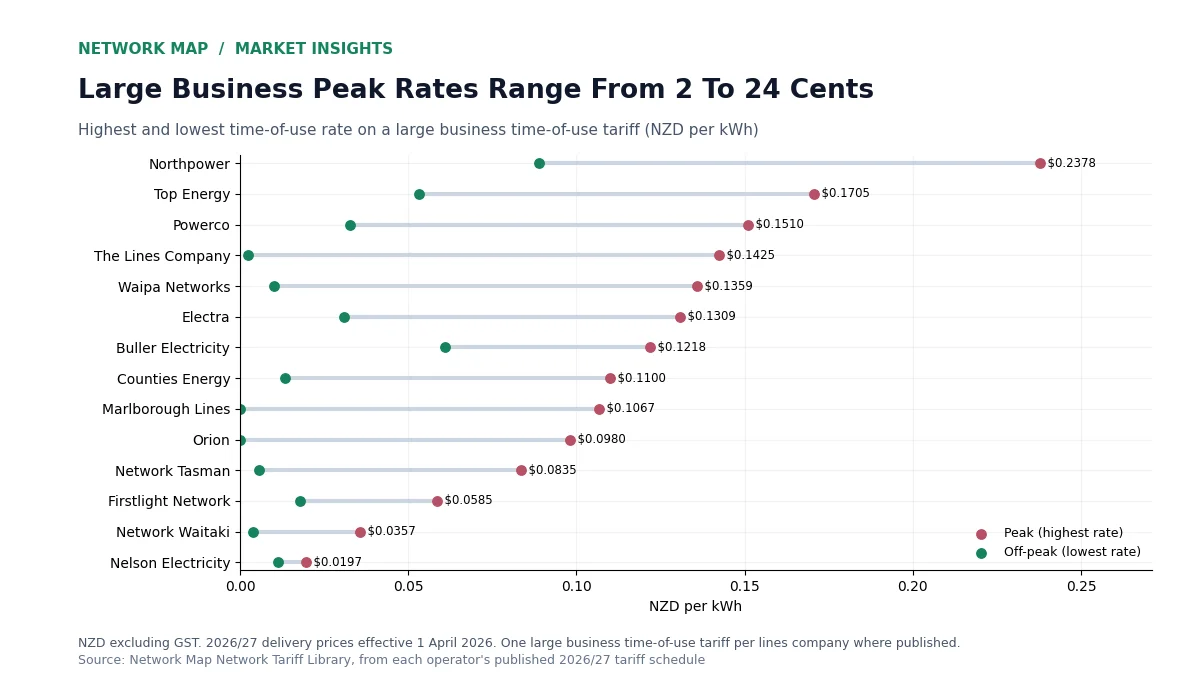
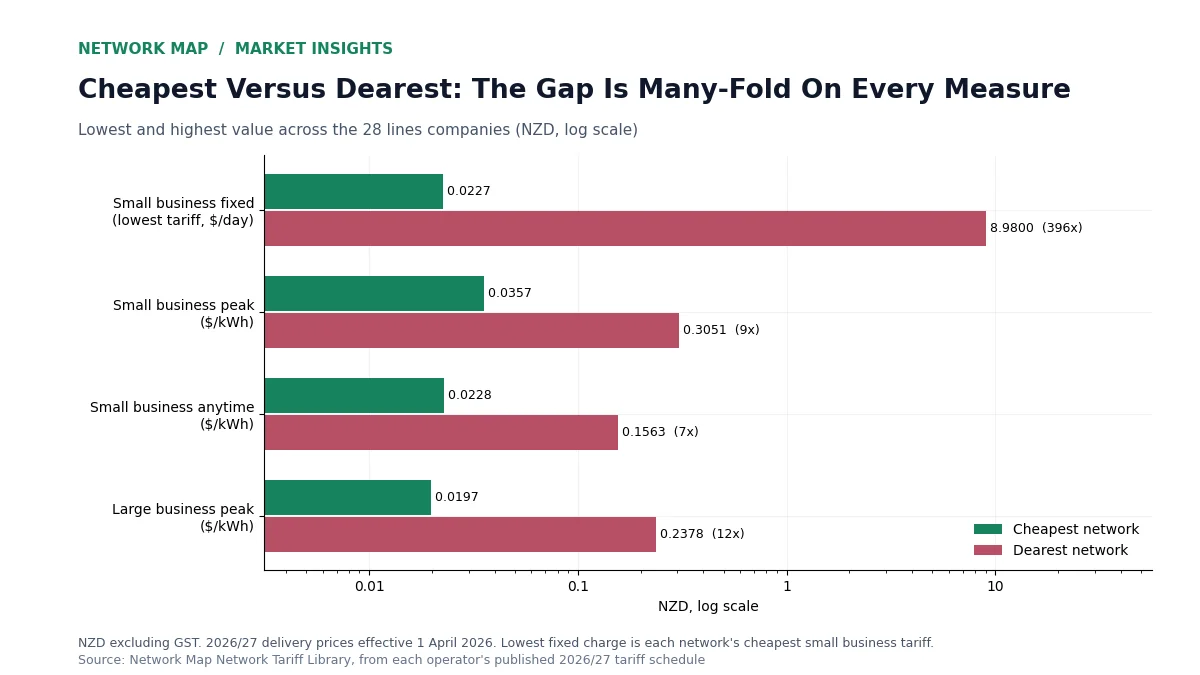
Chart 10: Cheapest Versus Dearest, The Gap Is Many-Fold On Every Measure
Put the extremes side by side and the regional spread is clear. The lowest small business fixed charge ranges from $0.0227 to $8.98 a day, 396 times as much. The highest small business time-of-use rate ranges from 3.573 cents to 30.51 cents, about 9 times. Anytime small business rates span 7 times, and large business peak rates span 12 times.
These are different tariff designs, not just different price levels. A network with a low energy rate usually has a higher fixed, capacity or demand charge, and the reverse. Which network is cheaper for a given site depends on its size, its load shape and how much of its load can move. That is why the tariff has to be modelled against the site’s own half-hourly profile.
What It All Means
- Location sets the delivery bill. The same business can pay a very different delivery price across a regional boundary. Check the lines company before choosing a site.
- Read the whole tariff. Fixed, energy, capacity and demand charges trade off against each other. Compare annual cost on a real load profile, not one rate.
- Peak windows are short and predictable. On most networks the peak covers five to nine hours a day, so batteries, controlled loads and scheduling can move a large share of use out of them.
- Size the connection to need. Per-kVA capacity charges are paid every day. A right-sized connection or a nominated capacity that matches real demand cuts a fixed cost.
- Demand charges reward peak shaving. Where demand is measured on a few half-hours a month, a small battery can make a large difference.
Model It In Network Map
The Network Tariff Library puts every lines company’s published 2026/27 delivery prices in one place, with the source schedule and tariff year for each network. Project Modelling can now load network tariffs, so you can apply the right lines company tariff to a solar, battery or load project, test peak shifting and demand reduction, and compare sites on their real delivery cost.
Sign Up To Model Network Tariffs
Every figure in this article comes from the Network Map Network Tariff Library, which records each lines company’s published 2026/27 delivery price schedule, effective 1 April 2026. Prices exclude GST. Network Map does not estimate or adjust any published rate.
Sources
Each lines company’s published 2026/27 pricing schedule:
- Aurora Energy
- Buller Electricity
- Centralines
- Counties Energy
- EA Networks
- Electra
- Electricity Invercargill
- Firstlight Network
- Horizon Networks
- MainPower
- Marlborough Lines
- Nelson Electricity
- Network Tasman
- Network Waitaki
- Northpower
- Orion
- OtagoNet
- Powerco
- Scanpower
- The Lines Company
- The Power Company
- Top Energy
- Unison
- Vector
- WEL Networks
- Waipa Networks
- Wellington Electricity
- Westpower